Home / The Dirt
43 in-depth, science-backed guides to growing herbs, spices and greens hydroponically at home.
In eight weeks, two changes — cutting ultra-processed food and eating whole, plant-based — moved every marker on my lipid panel: triglycerides down 232, LDL down 65, total cholesterol down 112. No statins. Here is the science, meal by meal.
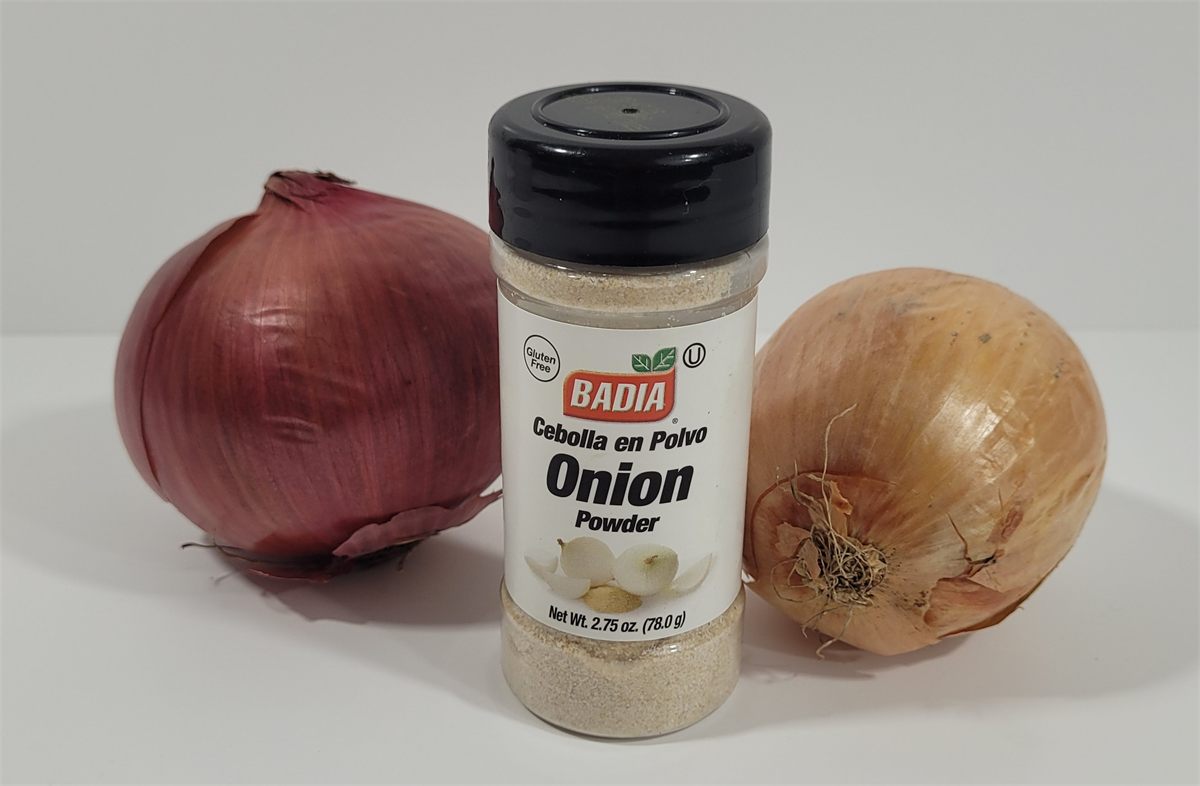
In the scientific community, onion goes by the name of Allium cepa. Onion is more commonly known as a culinary and therapeutic spice in the kitchen when crushed into powdered form. The…
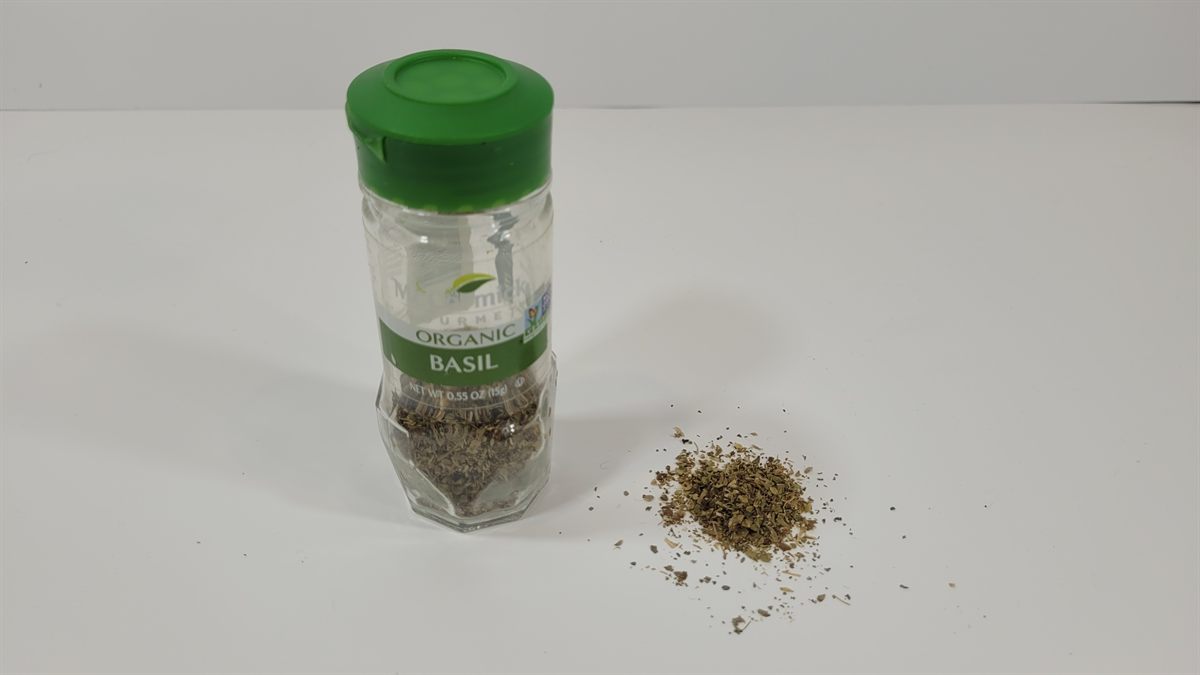
Basil is essentially a herb. But it’s frequently used as a spice in kitchens because of its aroma and peppery taste. Basil is an essential ingredient in Italian and Indian culinary preparations…
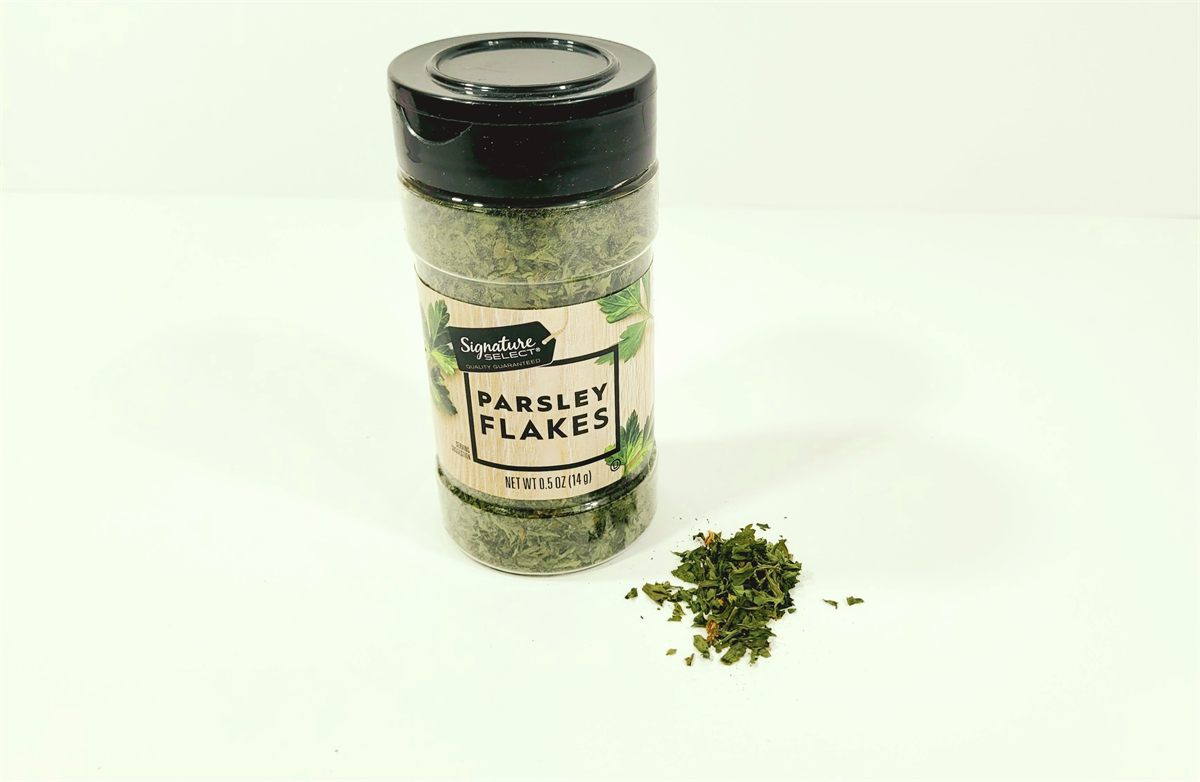
Native to the eastern Mediterranean region, parsley is now widely used in European and American cuisine. Its leaves are either utilized fresh or dried to form spice. Sometimes, it’s partnered up with…
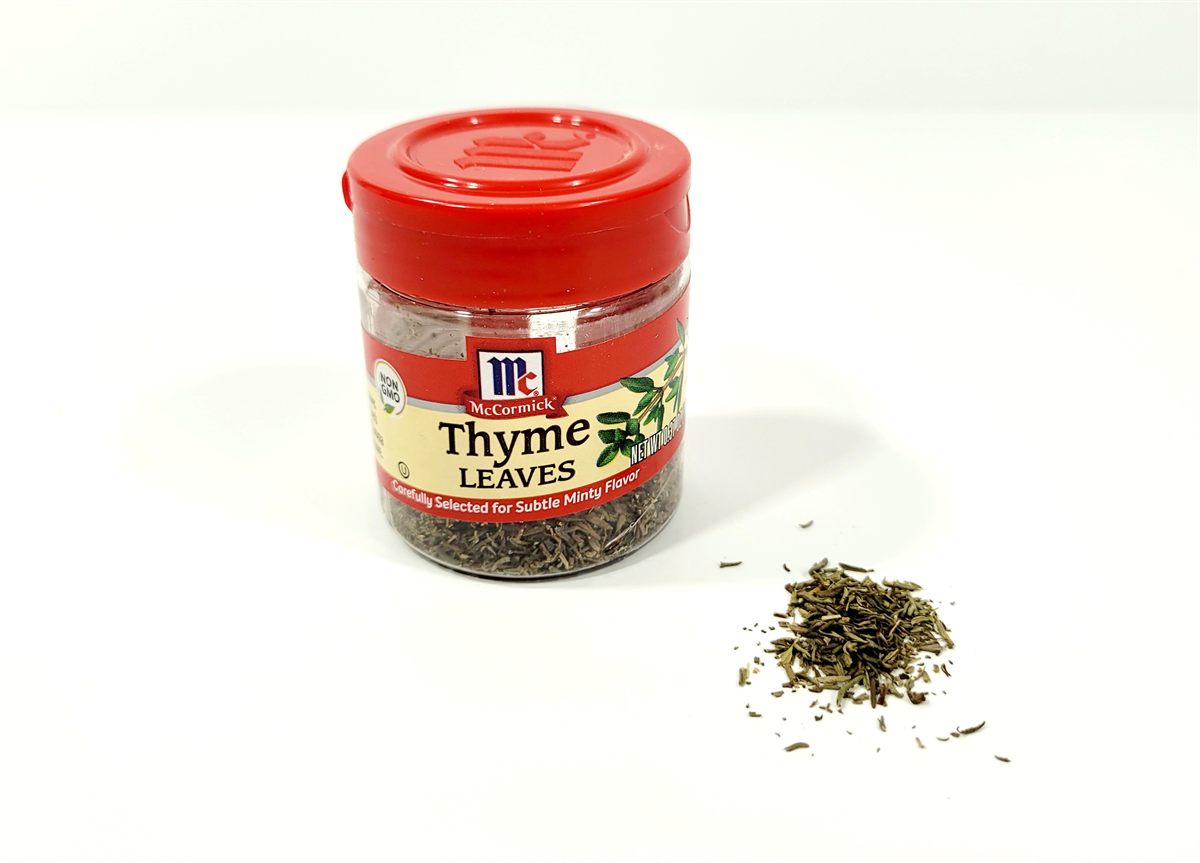
Thyme is a perennial herb that’s rich in nutrition as well as taste. And both these qualities are responsible for their culinary and medicinal uses. Here’s a brief overview of their chemistry…
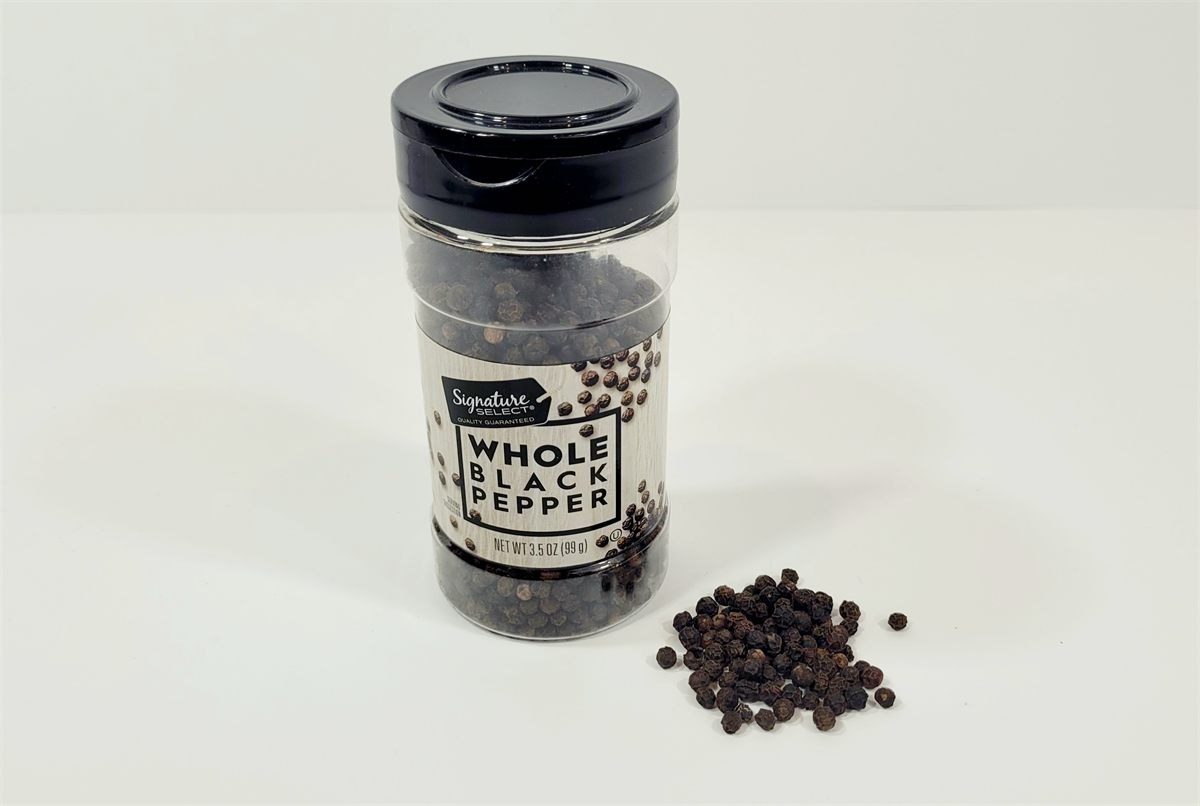
Pepper family is normally consumed as a spice. But, in some cultures, its fruit is used as whole foods. The family has well over 25 members, but this discussion is limited to…
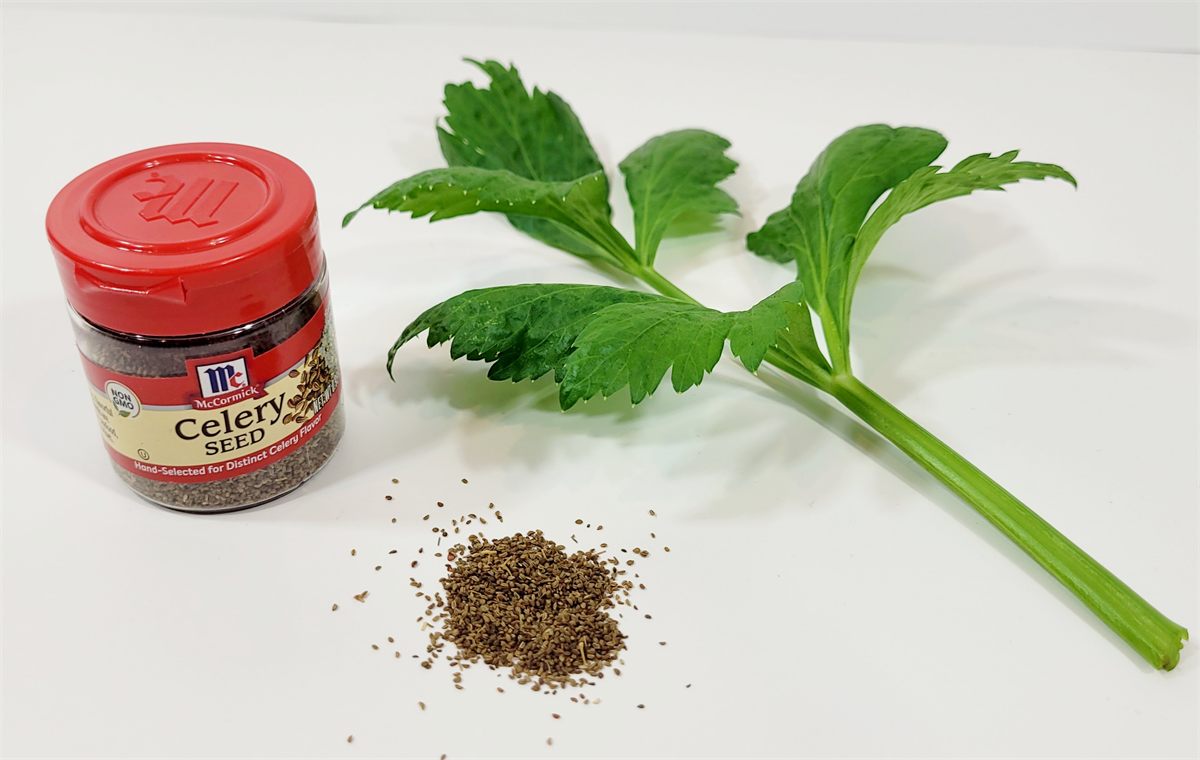
Celery belongs to the same family as one of the most common whole foods, carrots. From stalk to leaves, every part of celery is edible and often used as a spice for…
The botanical classification of lime makes it a member of the Rue family. If we go further down the botanical hierarchy, we can see its placement in the genus citrus. This particular…
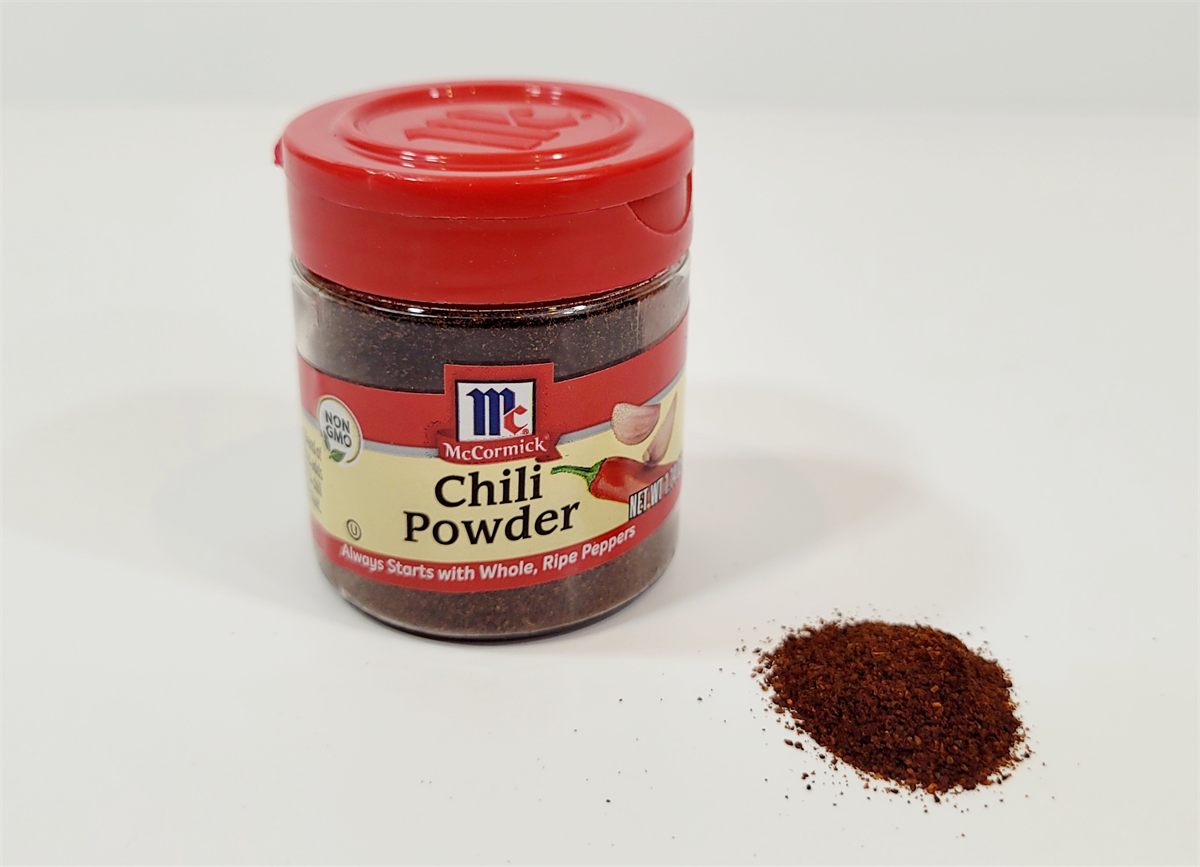
Chilli is native to Latin America, particularly Mexico. Then came the age of exploration, and many cultivars of chilli spread across the globe. Now, chilli is a popular cooking ingredient to add…
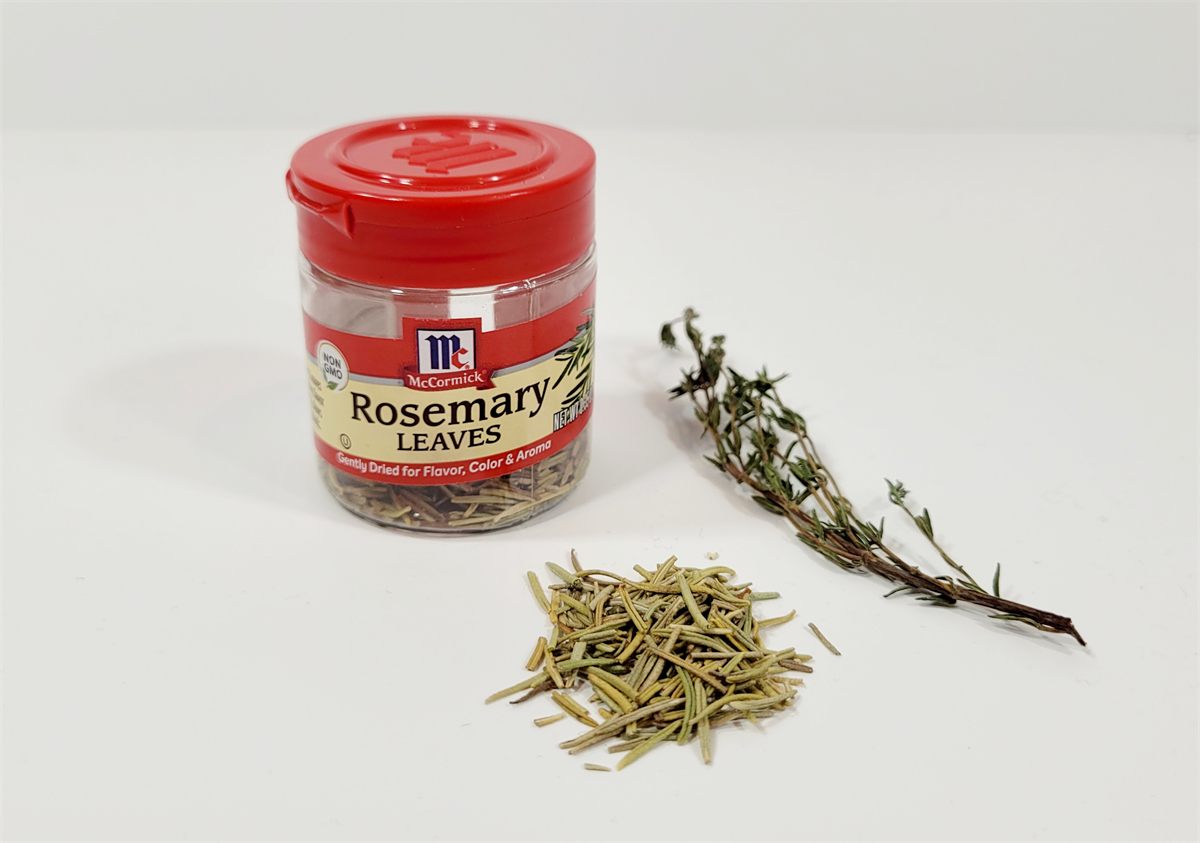
Rosemary is a fragrant evergreen herb with plenty of cooking and industrial applications. It is often used as a culinary spice in cuisine preparations, while the industrial applications revolve around pharmaceutical and…
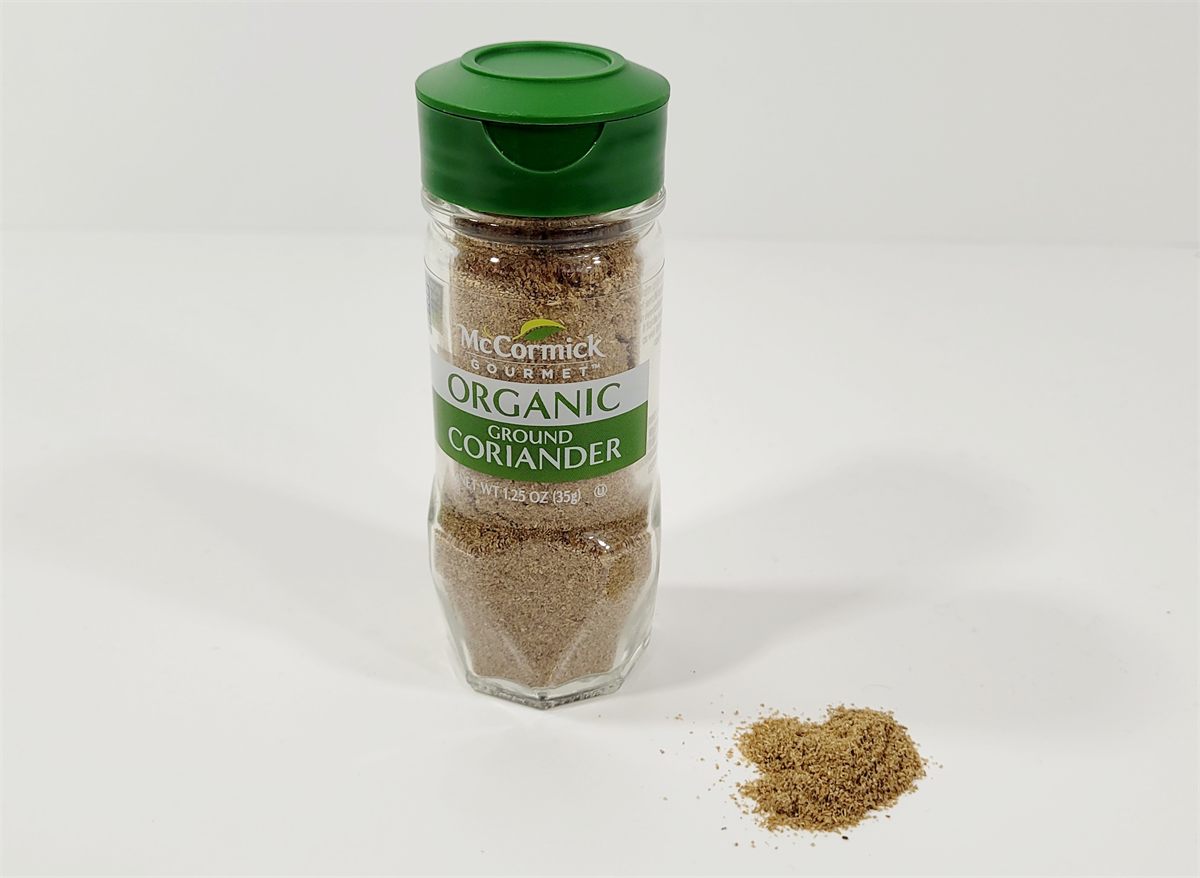
Coriander has many applications in culinary preparations because of its flavour, aroma, and taste. Alongside its use as a kitchen ingredient, it also has pharmaceutical applications. Here’s a brief description of the…
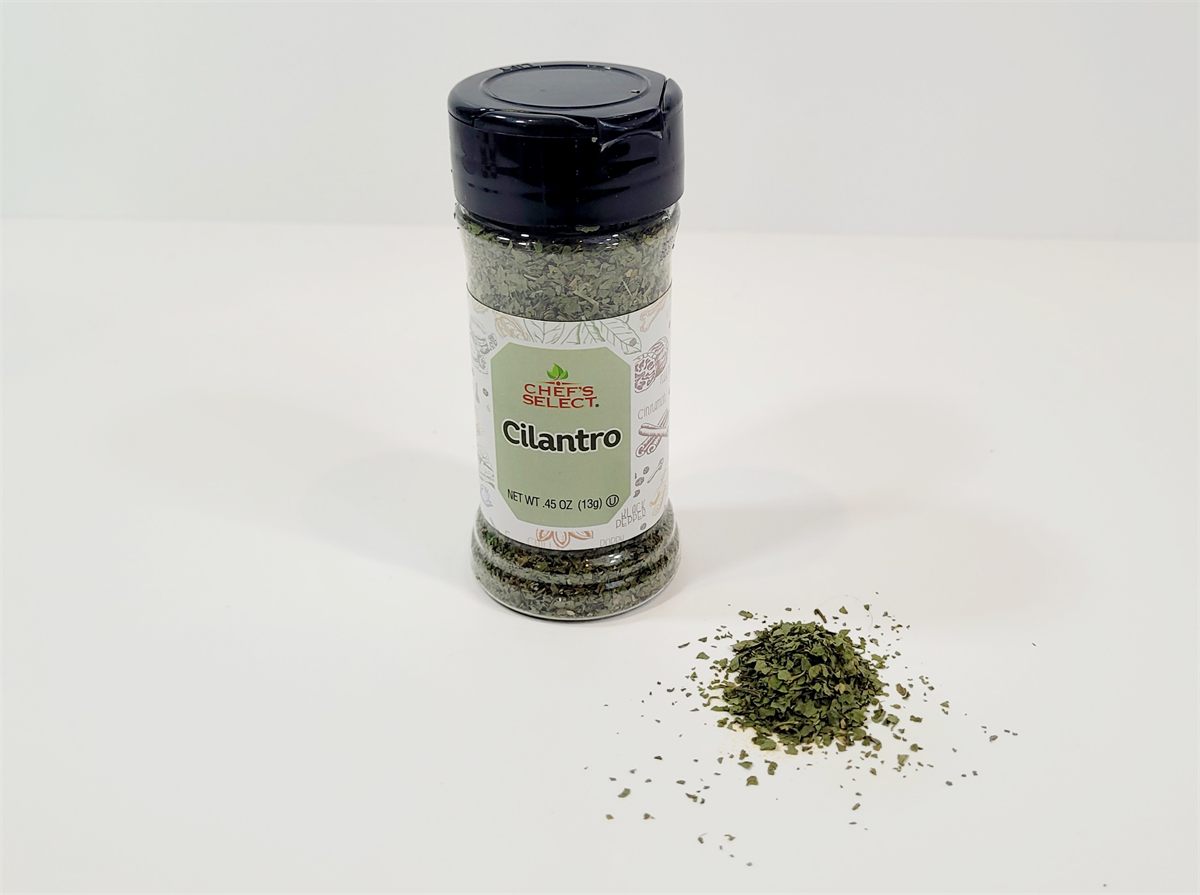
Cilantro is a leafy herb, which produces seeds and flowers when stressed. The entire plant is edible, along with its roots. Moreover, it is often referred to as coriander, which is the…
Nutmeg’s walnut-like appearance is often deceiving. Unlike the dry fruit counterpart, nutmeg is a seed whose fruit is also a source of a couple more spices. Here’s a brief overview of nutmeg’s…
Ginger is much more than a culinary spice. For ages, its underground rhizome has been an integral part of eastern medicine. An overview of this folk remedy and one of the whole…
Traditionally mustard was more of a medicinal plant rather than a culinary one. As early as ancient Greeks. This article covers its modern-day uses, how it’s cultivated, and the chemical makeup.
From the looks of it, turmeric may not be the most aesthetically pleasing whole food out there. But its health benefits, culinary uses, and nutritional profile well compensate for that deficiency. Here’s…
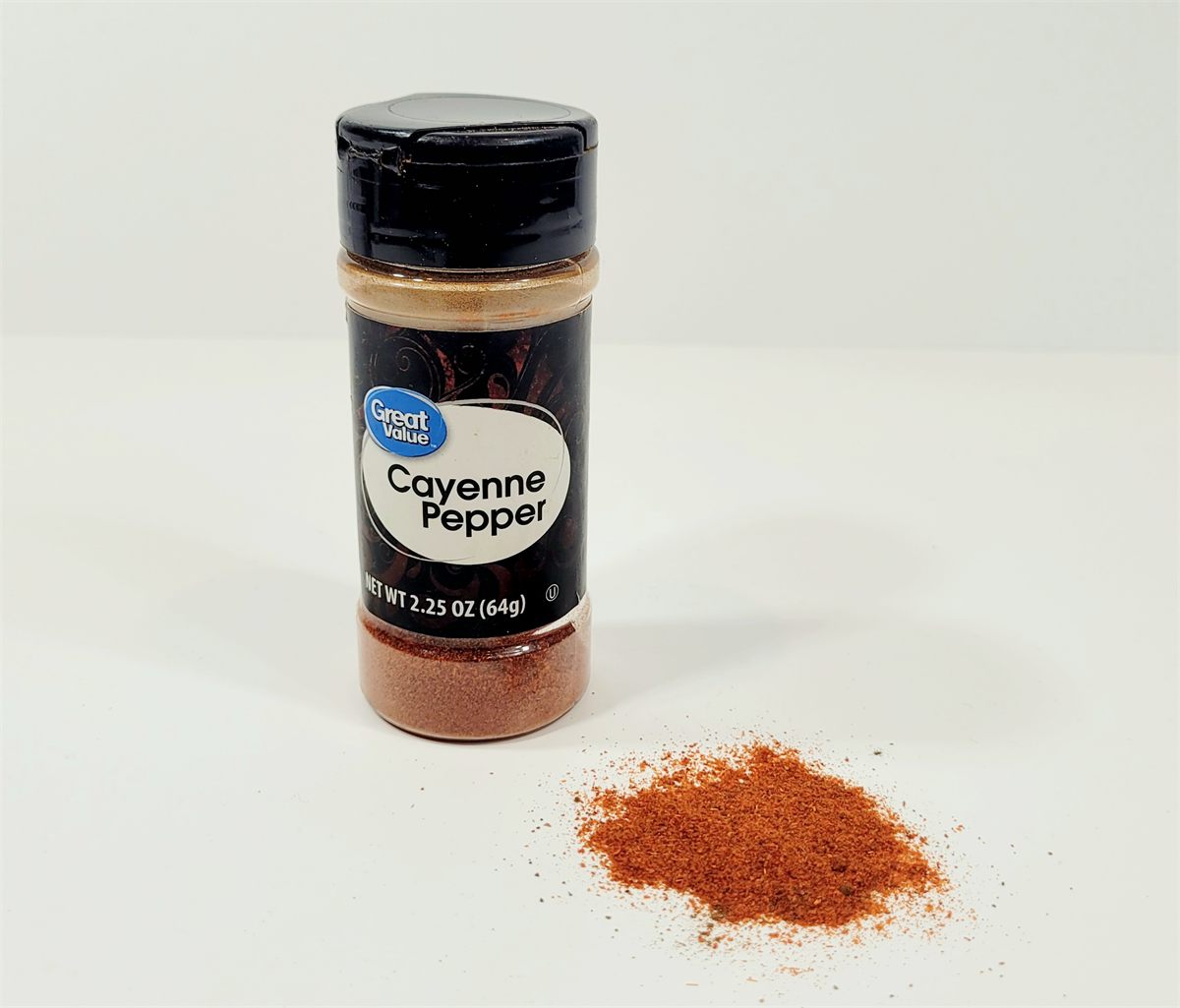
Surprising as it may be, cayenne pepper belongs to the same family as potatoes and tomatoes. But unlike their salty to sweet taste, cayenne is moderately hot. Their intense spice taste is…
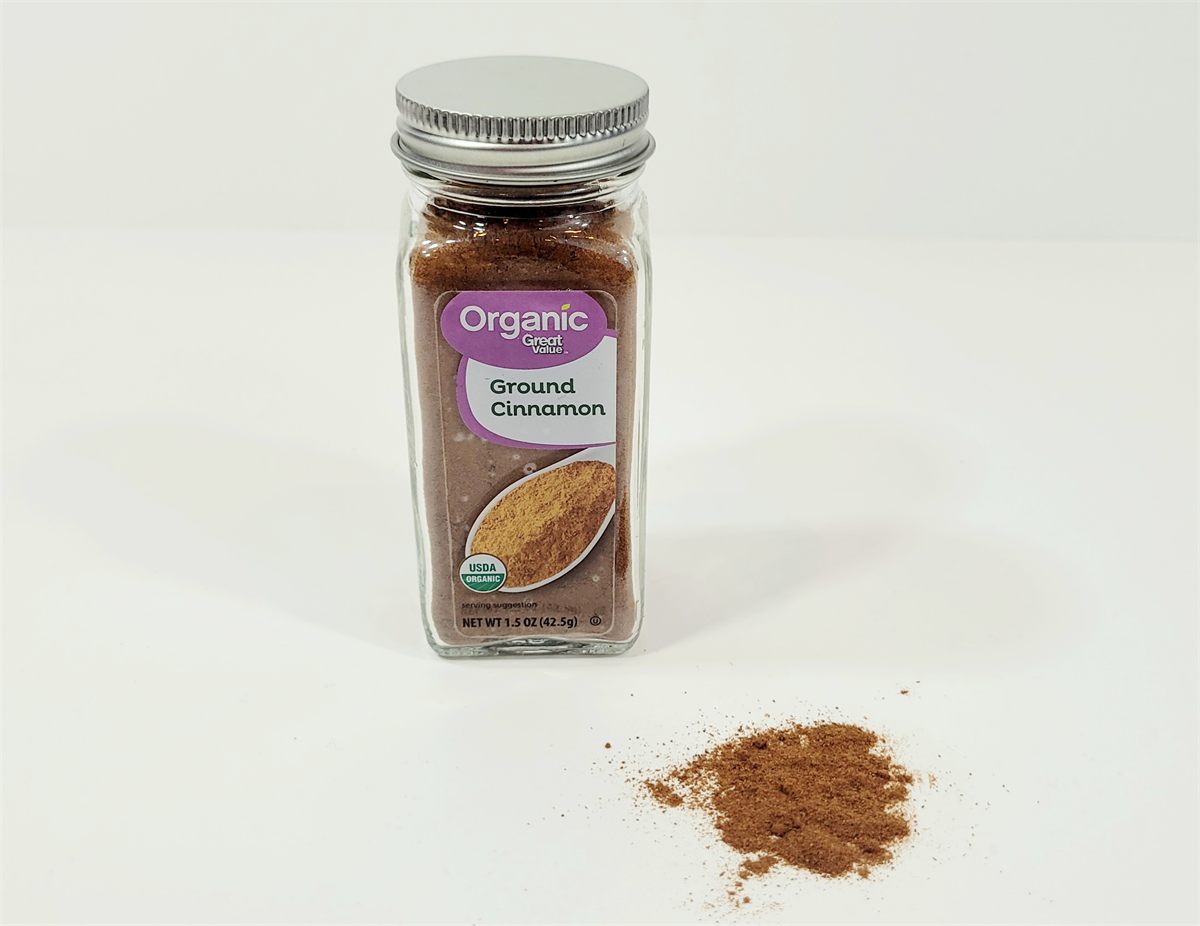
Cinnamon Spice is a derivative of several plants, all belonging to the genus Cinnamomum. The spice is widely used to add flavor to a wide variety of whole foods, cuisines, and tea…
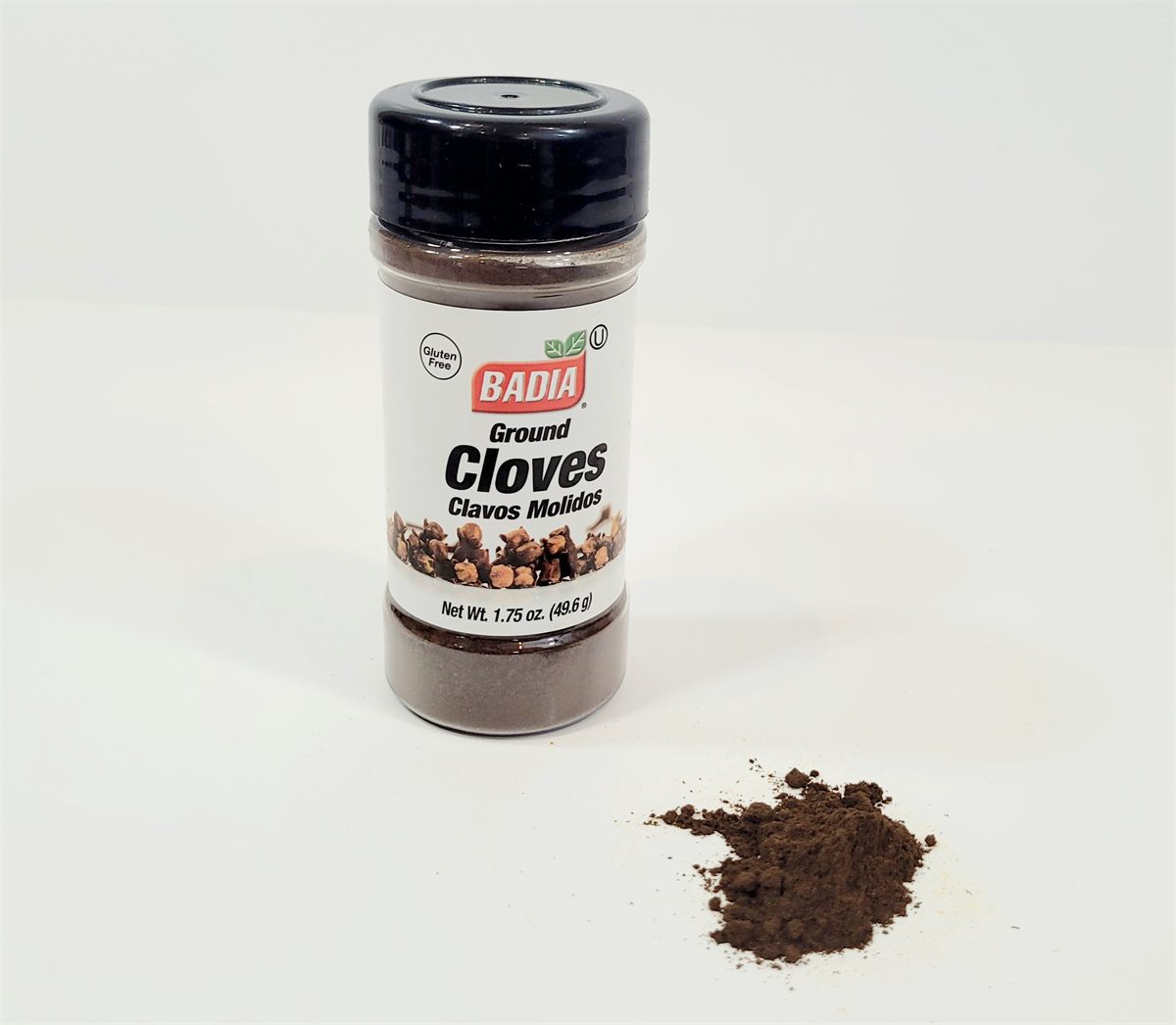
Cloves are native to the Indonesian island Maluku and are the flowering buds of a tree. These perennial buds are commonly used as a spice and have many potential health benefits, which…
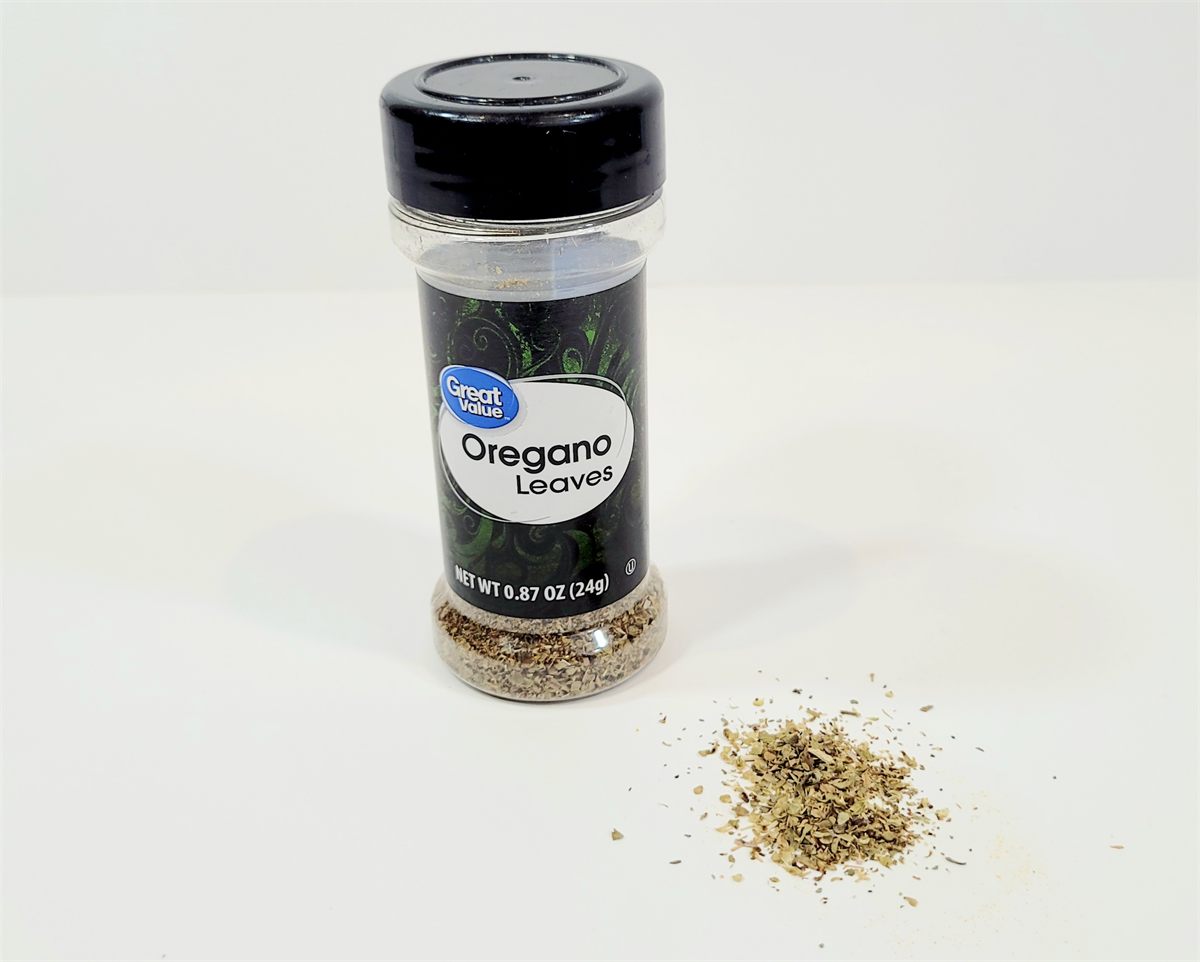
Oregano is a popular ingredient to add aroma and flavor to many Italian and French cuisines. Native to Mediterranean region, but soon took over the whole temperate Northern Hemisphere. A brief overview…
Originating from India, the curry leave plant is also known as Bergera Koenigii. The plant is low maintenance and often used to improve the flavor and taste of numerous types of foods.
Bay leaves are an evergreen shrub, which can be obtained from the bay laurel plant. They grow at a slow pace in warm climates and are used in cooking, as well as…
Caraway, also referred to as Persian cumin, is a member of the Apiaceae family. It is native to the regions of North Africa, Western Asia, and Europe.
Sesame (also referred to as sesamum indicum) is a flowering plant, which has attractive leaves in dark-green color. Its flowers are tubular and pale pink or white in color. However, the plant…
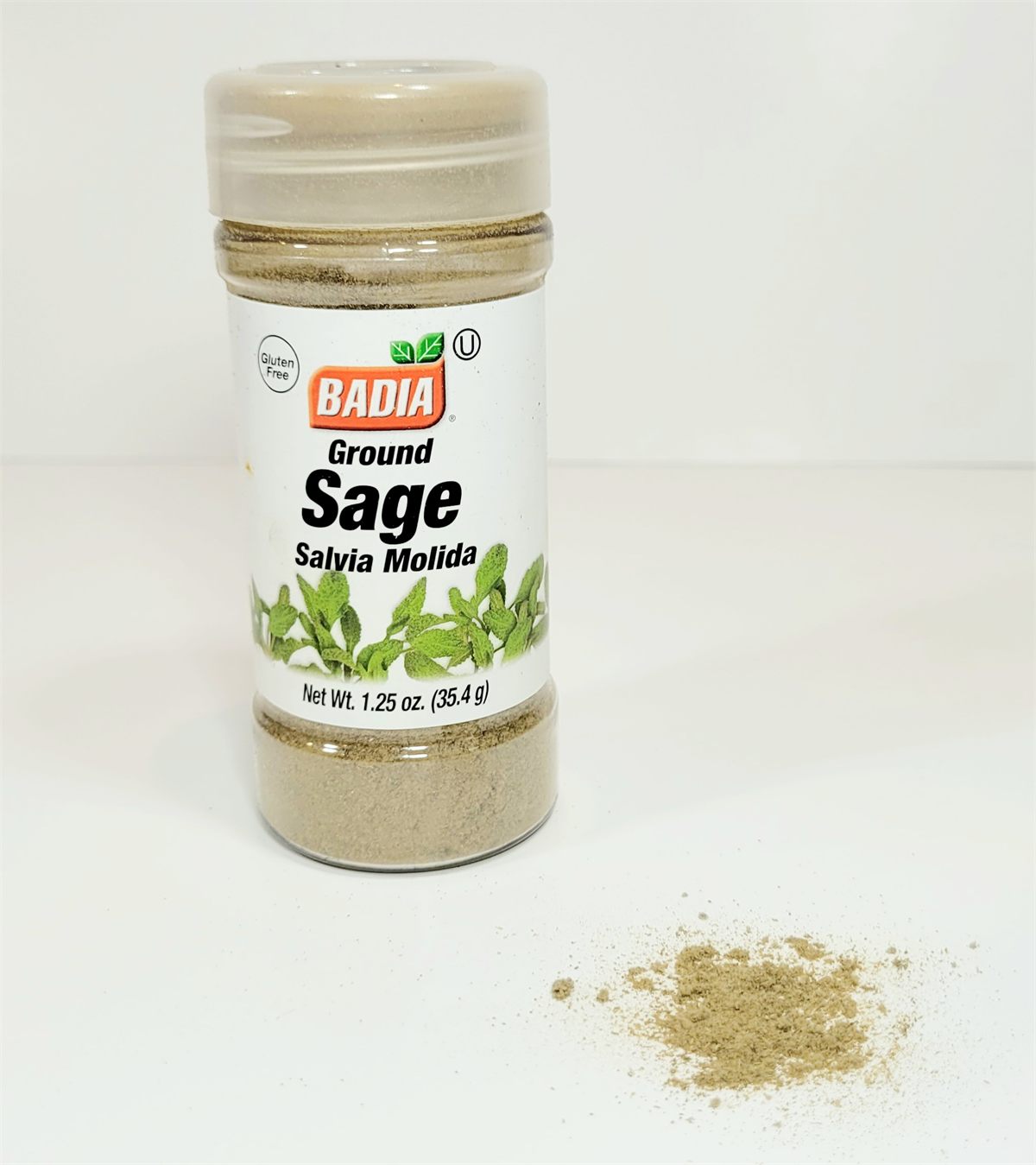
Sage is known for its unique and strong flavor. This pungent herb is often referred to with various names, such as garden sage and common sage, whereas its scientific name is Salvia…
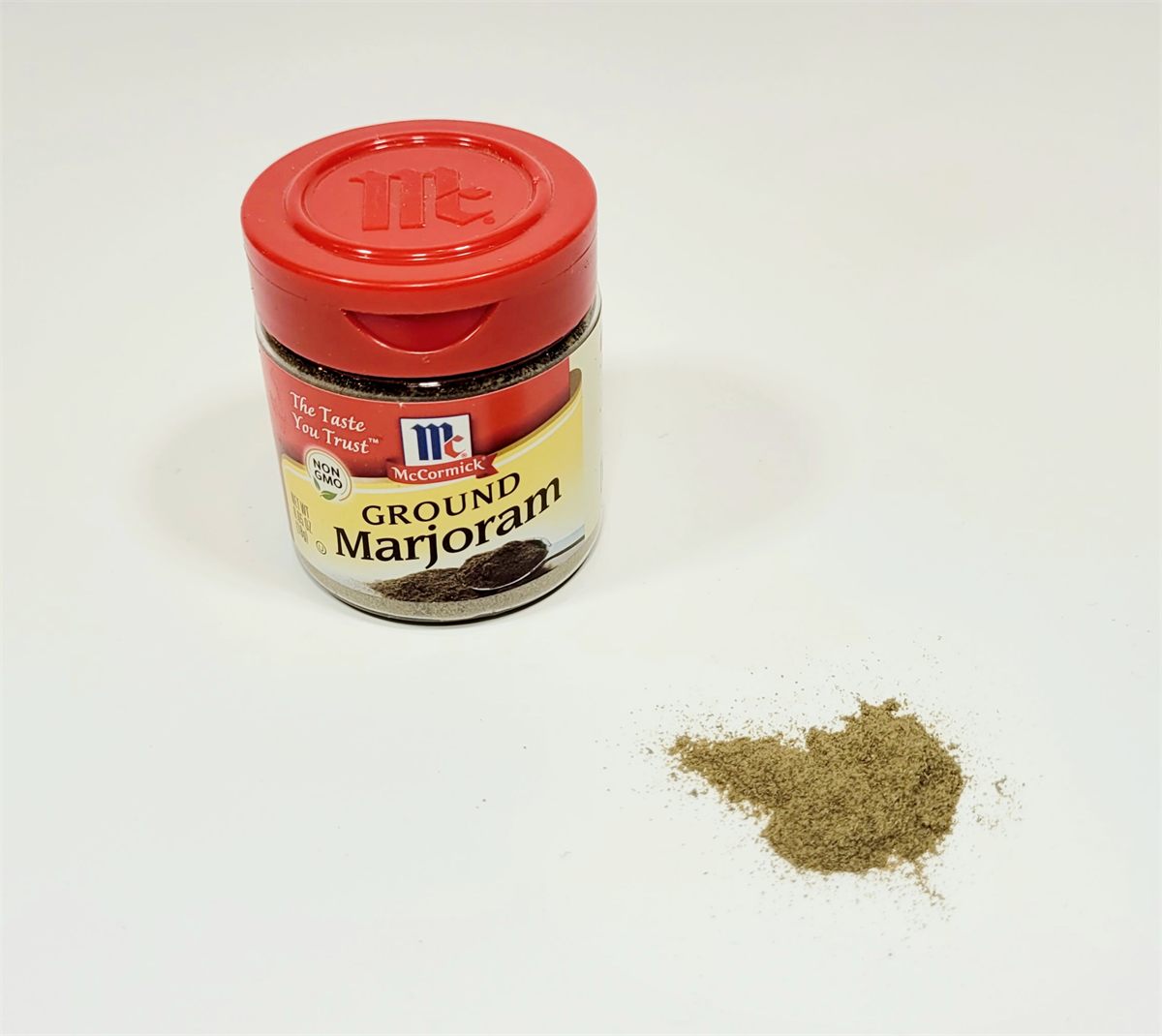
A perennial herb, marjoram is known for its citrusy and piney flavor. It is native to the Mediterranean region and was first introduced in America after World War II.
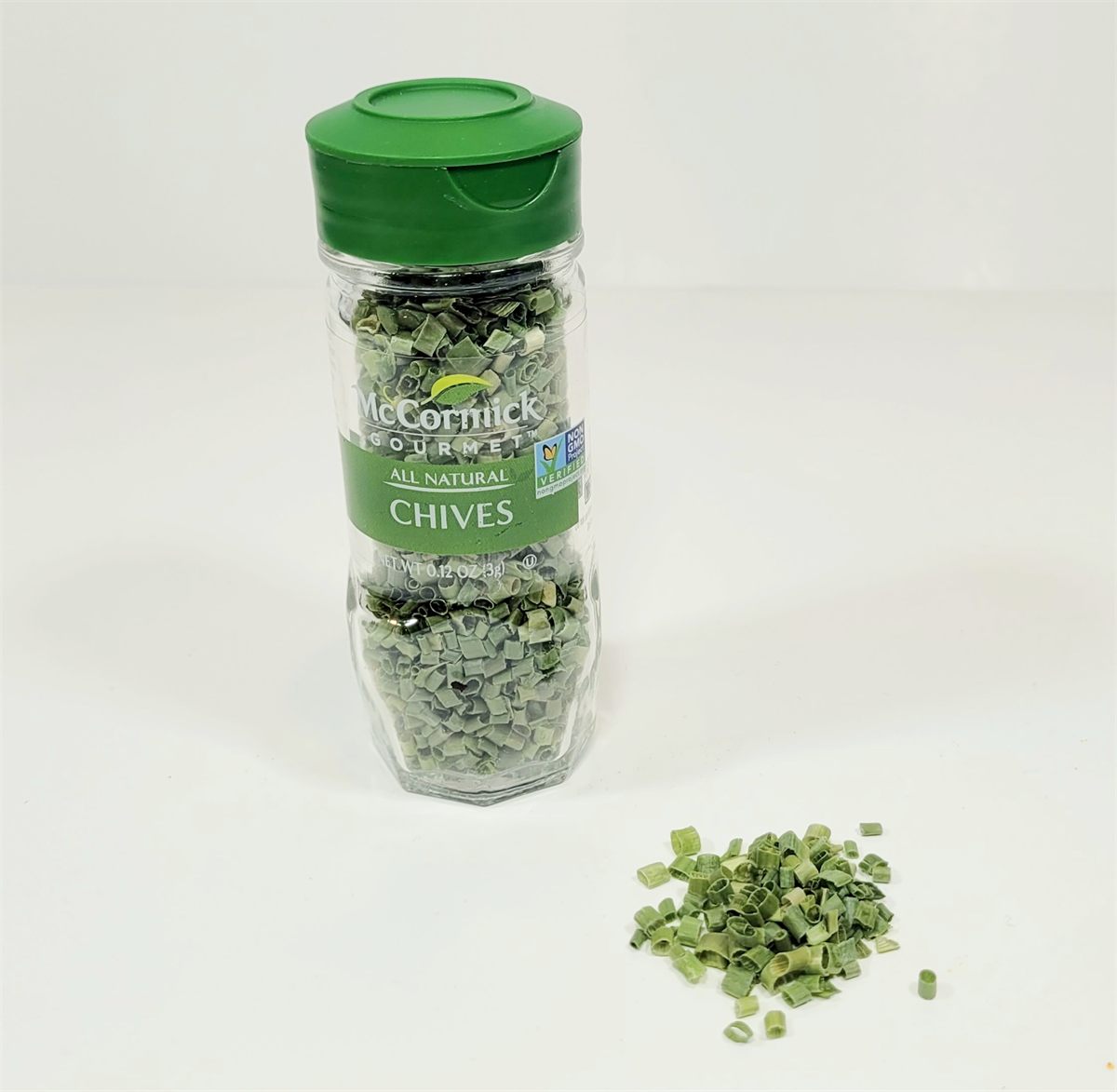
The chives spice comes from the genus Allium and is often used across the globe in the food, as well as medicines for various purposes.
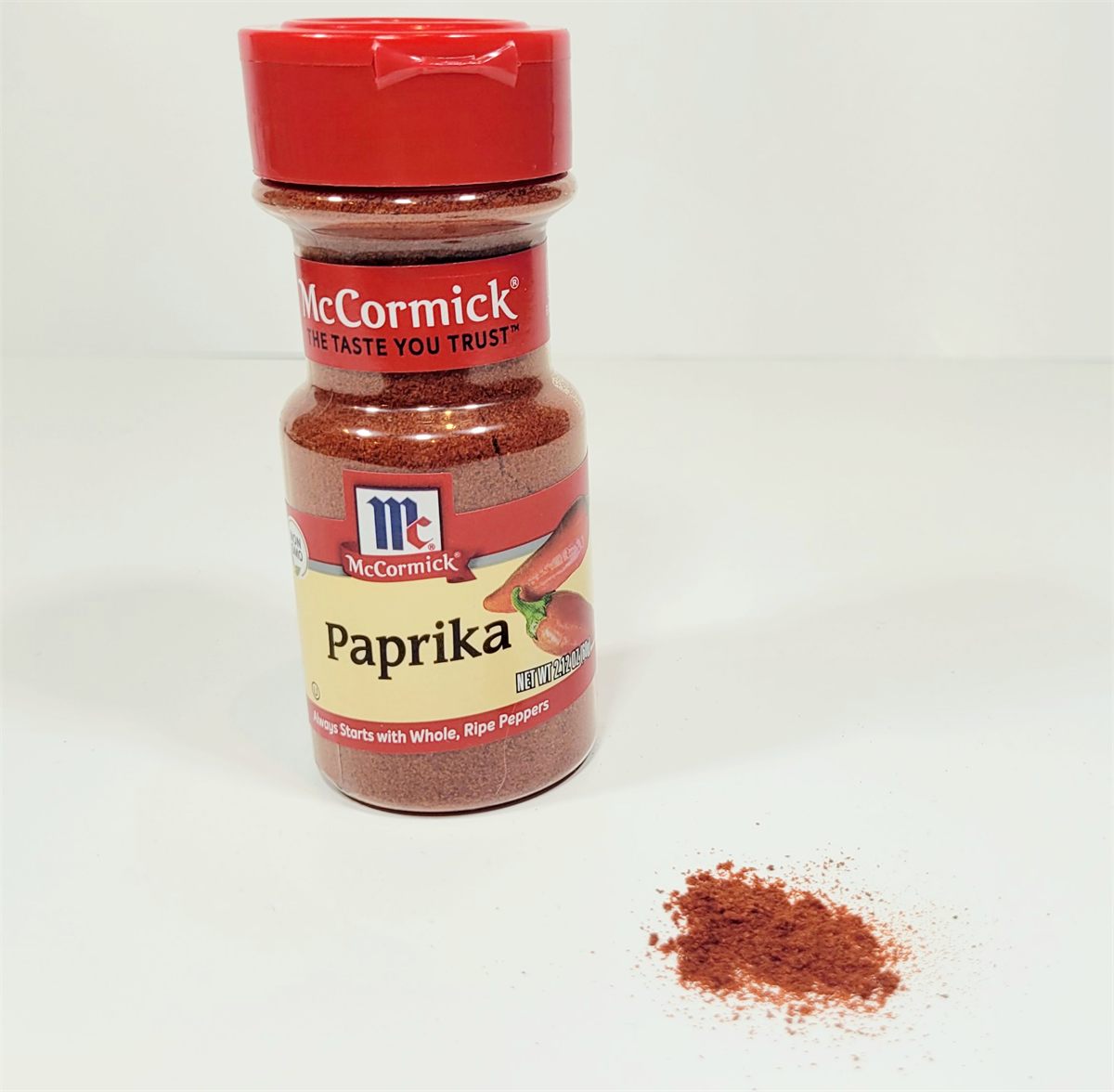
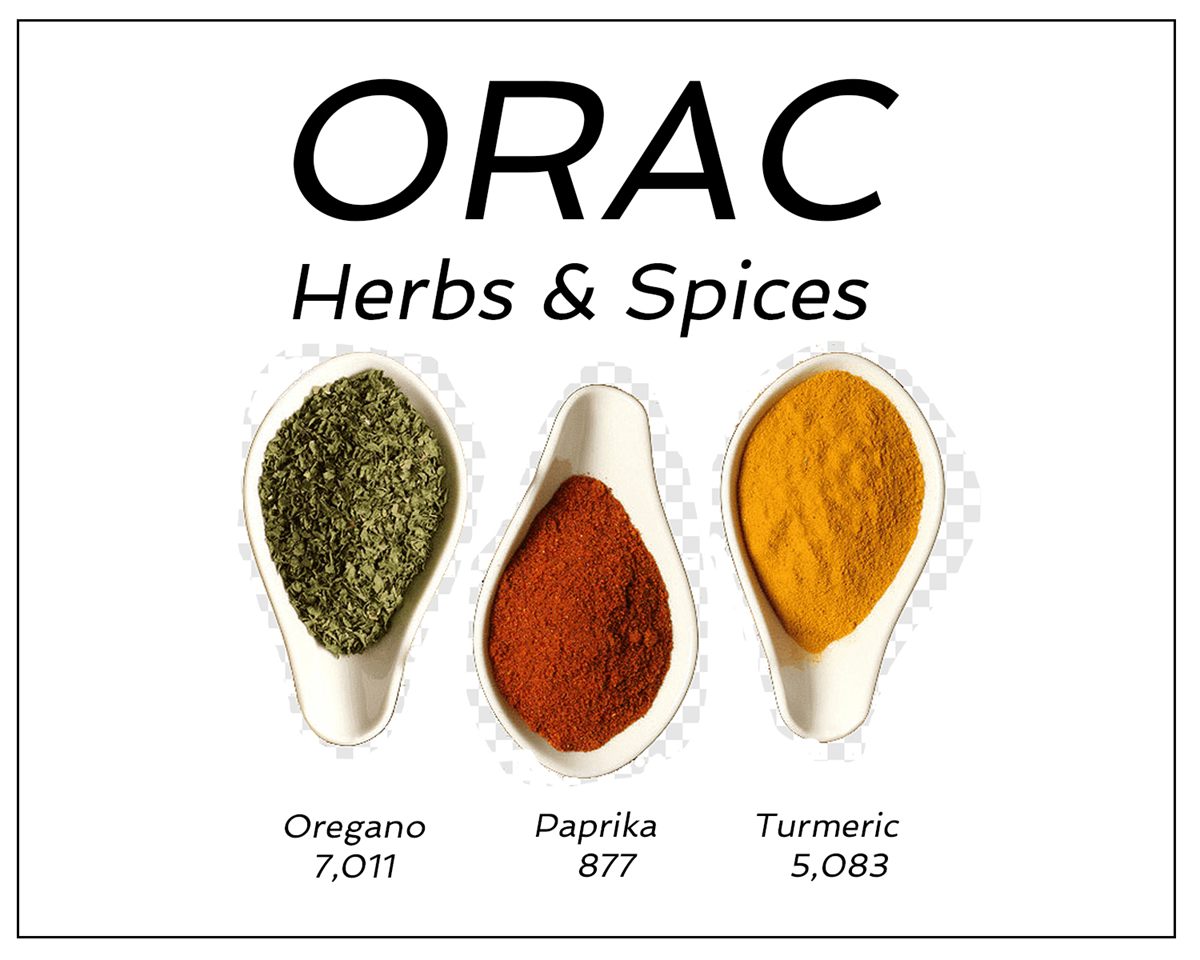
A ground spice made from red peppers or chili peppers, Paprika’s popularity has caused it to spread far and wide across the world. While this native Mexican spice has a stellar flavor…
Antioxidants are important compounds in the body that keep free radicals from attacking and damaging the cells of a body. These are chemicals, toxins, and pollutants that can be dangerous and cause…
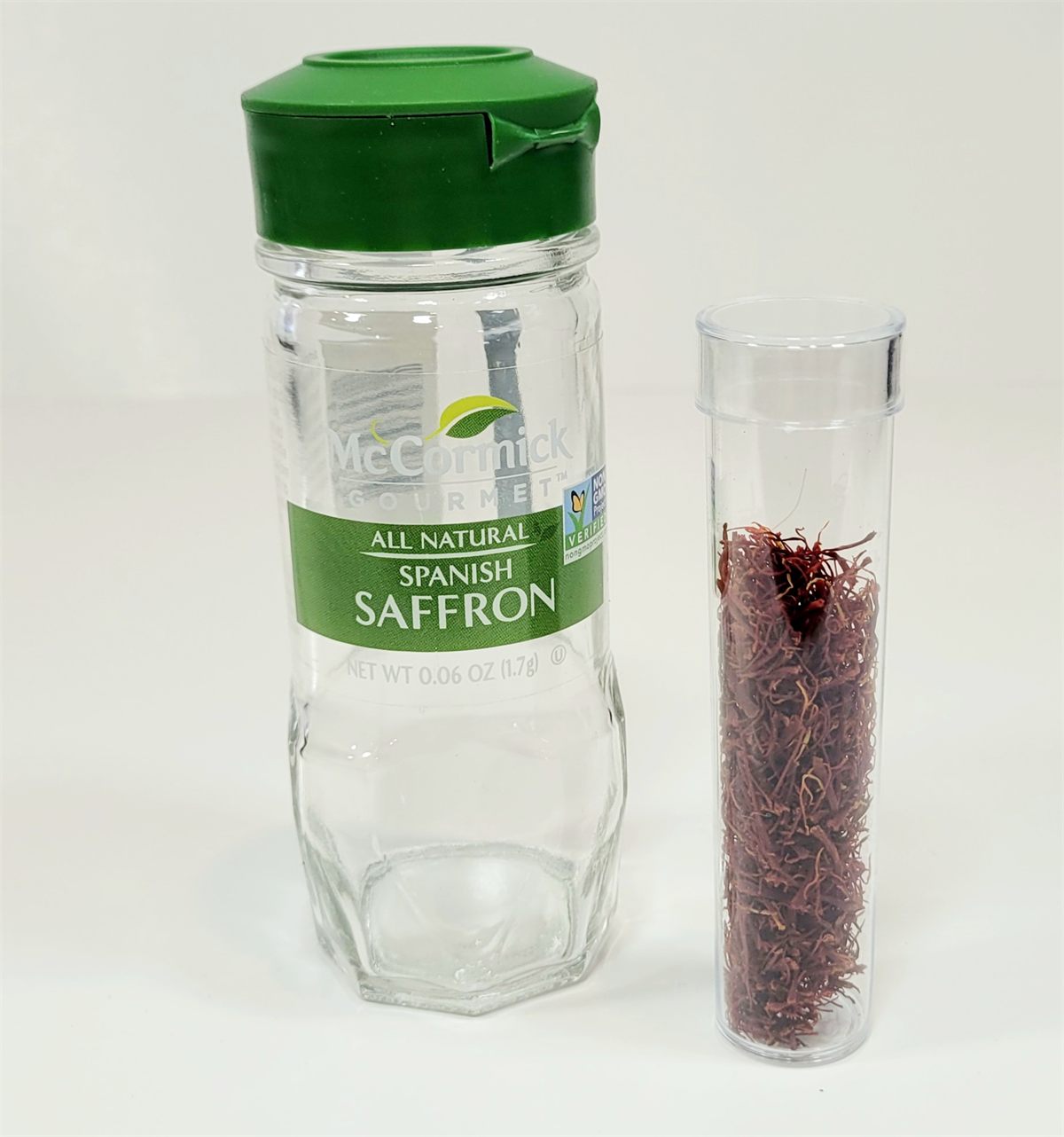
Harvested by hand, saffron comes from a flower known as Crocus sativus, popularly referred to as the saffron crocus. The name applies to the stigma or thread-like structures of the flower.
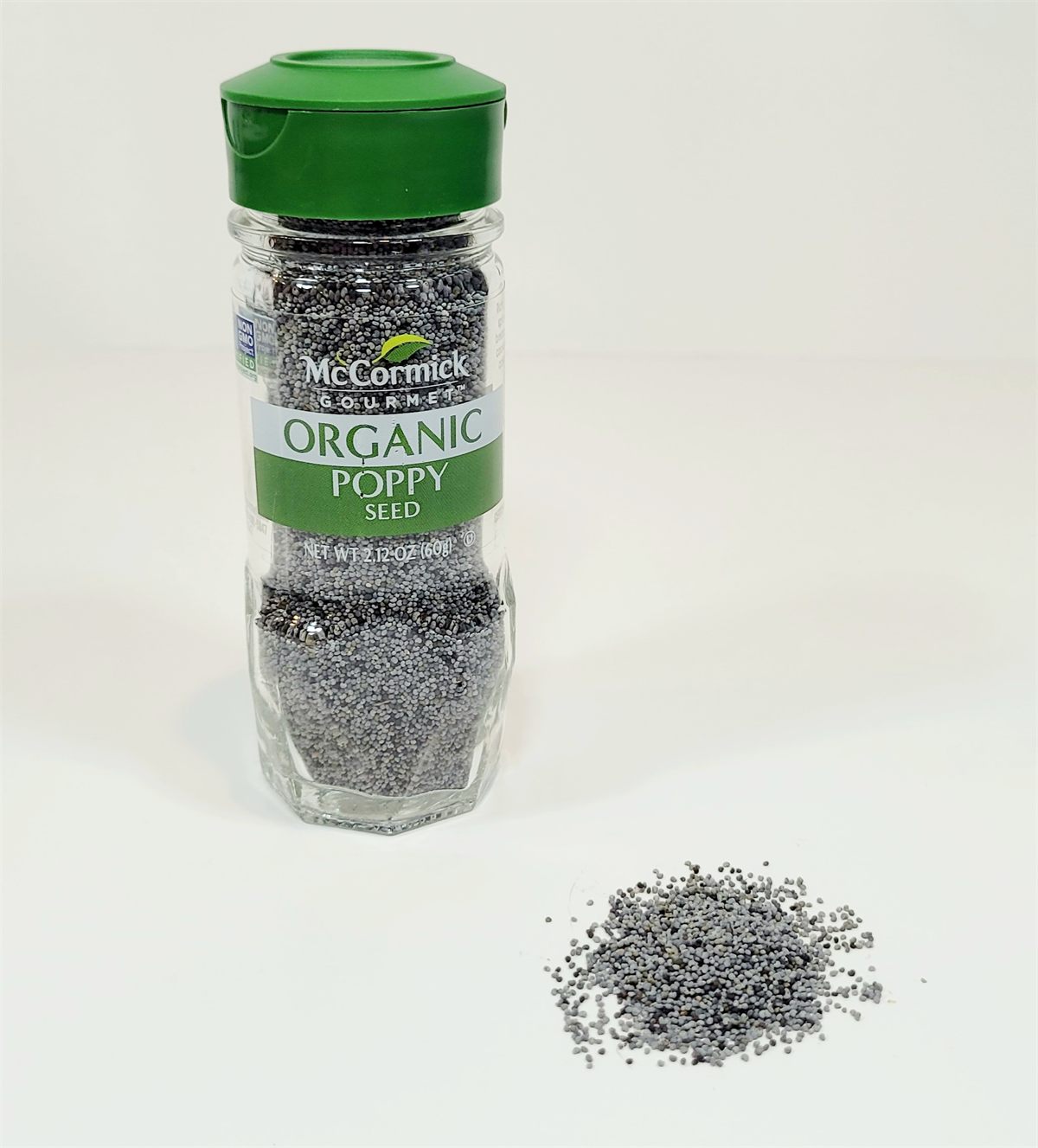
Humans have been cultivating poppy seeds since prehistoric times. Today, it is found in gardens, as well as wilds, across the globe. There is hardly a supermarket in Europe and the US…
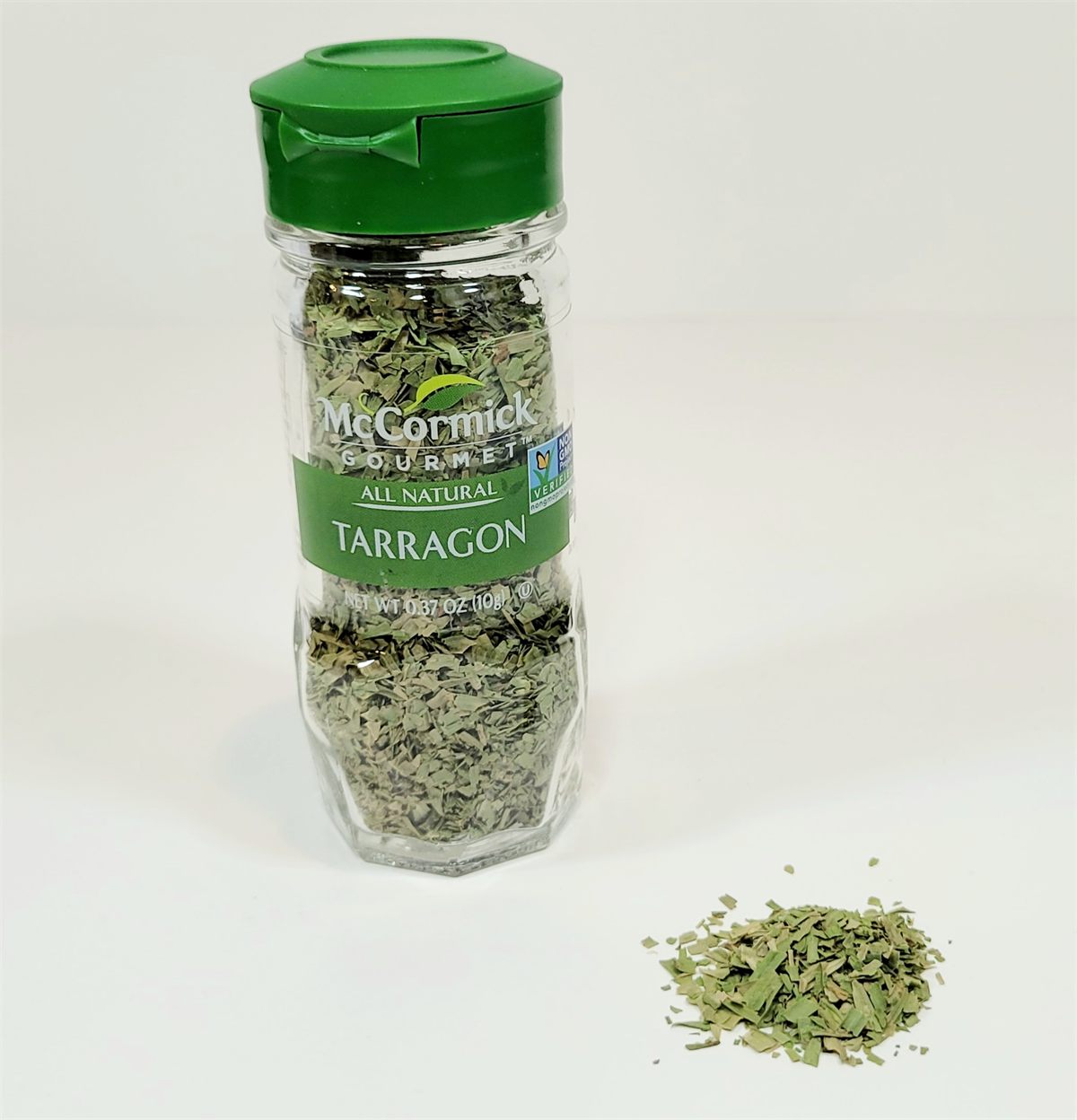
Tarragon is regarded as a staple hydroponic herb with slender branching stems and smooth plant leaves. Its flavor is aromatic, strong, and sweet; thus, it is used for culinary flavoring.
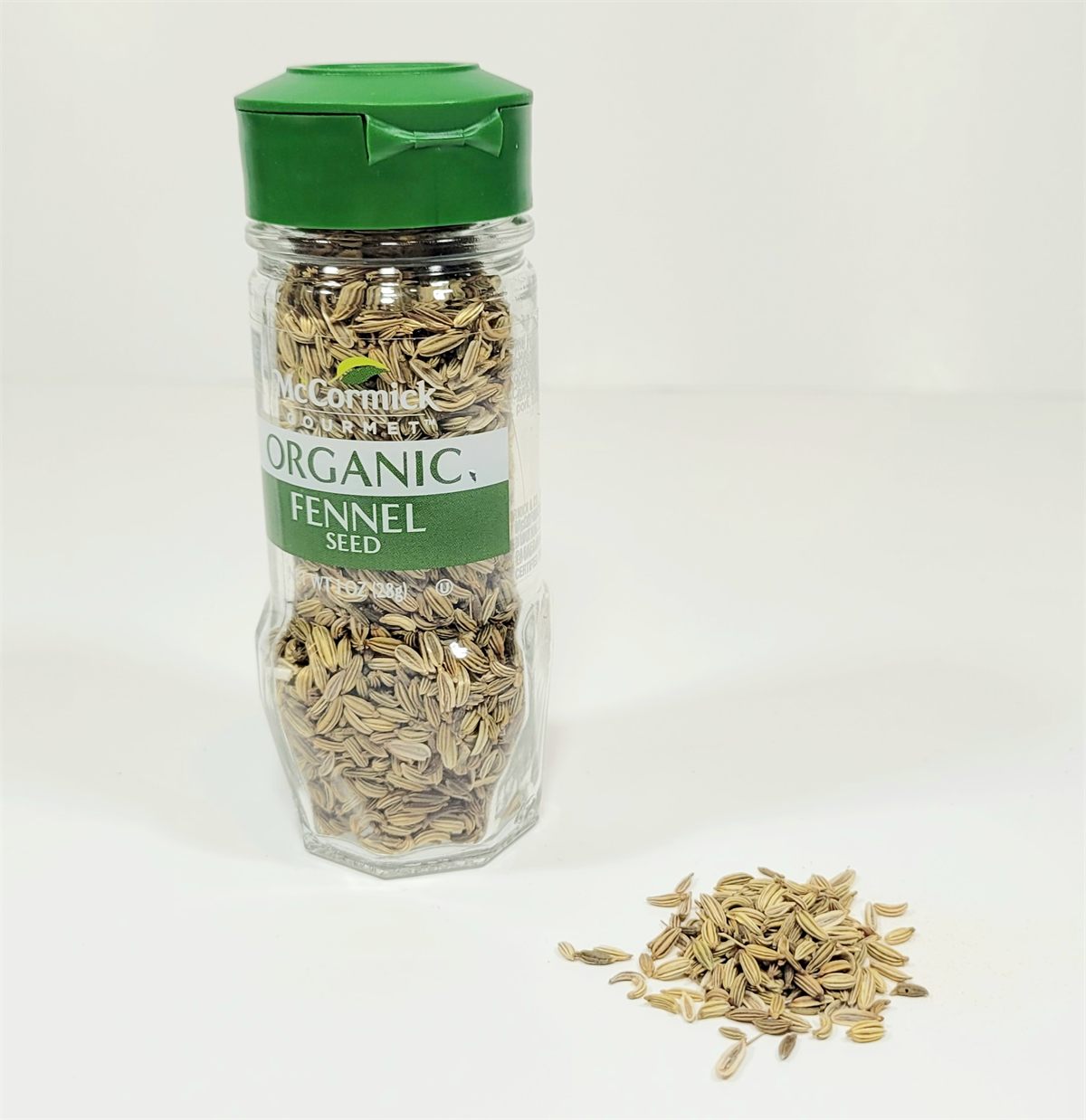
Fennel, also known as Foeniculum vulagre, originated from the region of the Mediterranean. It is a mildly sweet herb and has feathery leaves. It is known to be a delicious addition to…
Nigella sativa, also known as black cumin, is an annual flowering plant native to eastern Europe and Asia. Black cumin's seed can potentially cure "all disease except death." While its seeds are…
Peppermint is a common kind of mint that is often found in gardens. It has a sharp smell and taste and is popularly used in candies and desserts. It is also a…
Wasabi is the root of a particular plant that belongs to the Brassicaceae family. It is used as a flavoring for milder foods, such as rice, fish, and sushi.
Spearmint is also known as lamb mint, mackerel mint, and garden mint. With its mild taste, it is often paired with various types of savory dishes, like lamb and other roasted meats.
Fresh horseradish is known for its unique, delicious taste, which can be consumed to clear sinuses, as well as redden the whites of a person’s eyes. This particular plant can be grown…
Lemongrass is a shrub-like herb that boasts a distinct lemon flavor and aroma. The advantage of growing these through hydroponics is that the process is clean and provides edible roots.
Lavender is an admired herb, with its herbal and aromatic properties attracting many growers.
Nettle is a distant mint relative, which makes it more of a herb than spice. But unlike mint, nettle is only safe to consume once it is processed into its dried form…
Lemons are a popular food flavouring agent because of their sour or spice taste. Another reason for their popularity is high vitamin C concentration. But those are some well-known facts. Below is…
Have you been dreaming of starting a garden, but something’s been holding you back? For most aspiring gardeners, the biggest barrier to getting started is knowledge. A lot goes into creating a…