
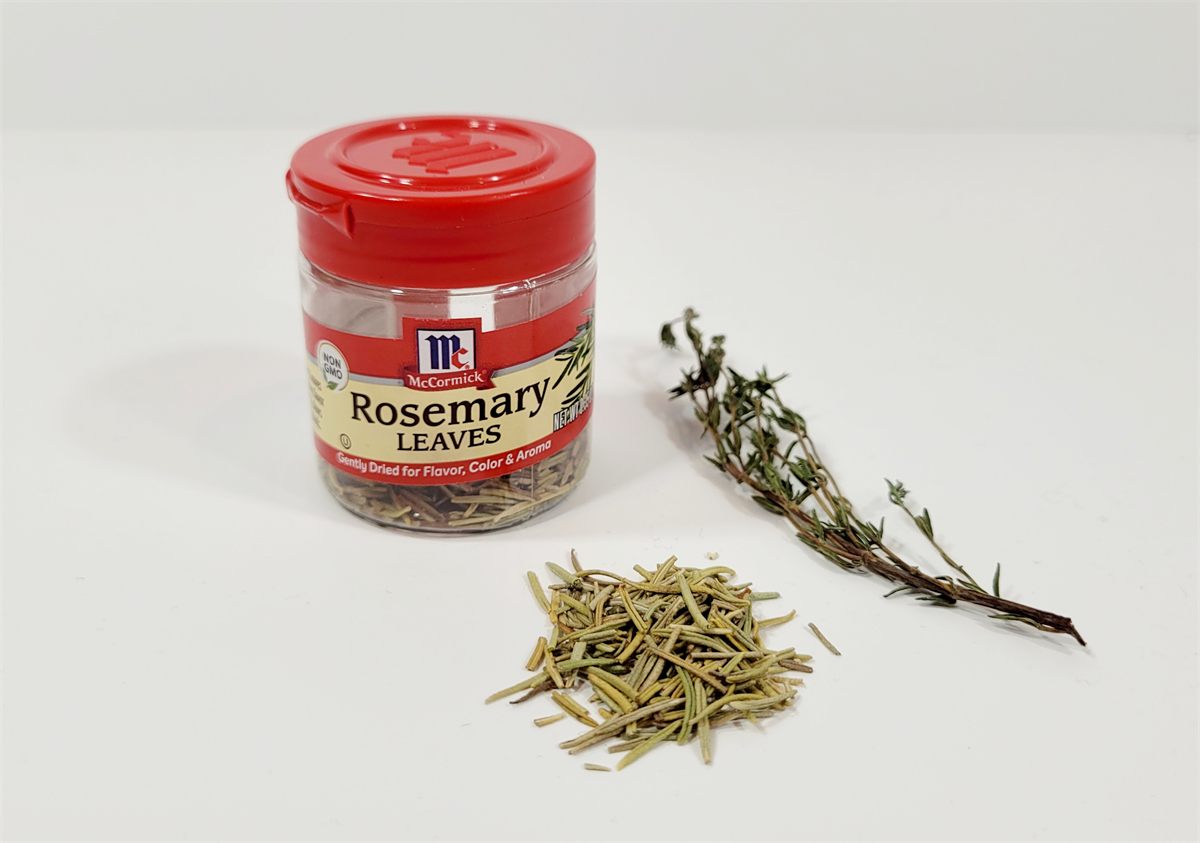
Rosemary is a fragrant evergreen herb with plenty of cooking and industrial applications. It is often used as a culinary spice in cuisine preparations, while the industrial applications revolve around pharmaceutical and perfume manufacturing. An overview of its applications and profile is as follows:
Hydroponics of Rosemary
Rosemary’s hydroponic cultivation is relatively straightforward if the following conditions are met:
Hydroponic System
Rosemary’s hydroponics consists of two stages. In the first stage, seeds are germinated in Rockwool starter cubes. Once the roots have taken hold of the medium, the seedling is transplanted into the trough of the nutrient film technique system.
Light and Temperature
Rosemary requires a minimum of 11 hours of strong daylight in the temperature range of 75-84°F.
Nutrients
A 2013 study deemed NPK fertilizer of ratio 100:25:25 ideal for increasing the herbage and actual yield of rosemary. (Singh & Guleria, 2013)
Nutritional Profile of Rosemary
Fresh rosemary consumption nourishes the body with the following nutrients:
Carbohydrates and Proteins
It has low caloric content because of reduced quantities of carbohydrates and proteins. (FoodData Central , 2019)
Minerals
Like most members of the mint family, rosemary is also rich in calcium, potassium, and iron.
Vitamins
It doesn’t have an extensive vitamin profile. Vitamin C is the only significant one; the rest are in negligible quantities.
Health Benefits of Rosemary
Cytoprotective Effects
Oxidative stress is a metabolic phenomenon that can damage the cell’s infrastructure and decrease its survivability. A blend of rosemary extract protects the cell from environmental factors that may trigger oxidative stress. (Rajgopal, Roloff, & Burns, 2019)
Chemistry of Rosemary
In a 2008 study, gas chromatography of the rosemary unveiled 20 compounds that conclude to about 99% of the rosemary’s extract. Upon further analysis, the number of compounds was narrowed down to the p-cymene, linalool, gamma-terpinene, eucalyptol and thymol. (Ozcan & Chalchat, 2008)
Rosemary also contains an important class of compounds called caffeic acid. And it owes much of its benefits to a caffeic acid derivative called rosmarinic acid.
Rosemary not only acts as a food flavour, but It’s also a food preservative that keeps your whole foods fresh.
References
- FoodData Central . (2019). Retrieved from U.S. DEPARTMENT OF AGRICULTURE: https://fdc.nal.usda.gov/fdc-app.html\#/food-details/173473/nutrients
- Ozcan, M. M., & Chalchat, J.-C. (2008). Chemical composition and antifungal activity of rosemary (Rosmarinus officinalis L.) oil from Turkey. International Journal of Food Science and Nutrition, 691-8. doi:https://doi.org/10.1080/09637480701777944
- Rajgopal, A., Roloff, S. J., & Burns, C. R. (2019). The cytoprotective benefits of turmeric, quercetin, and rosemary blend through activation of the oxidative stress pathway. Pharmacognosy Magazine, 449-454. doi:10.4103/pm.pm\_556\_18
- Singh, M., & Guleria, N. (2013, March). Influence of harvesting stage and inorganic and organic fertilizers on yield and oil composition of rosemary (Rosmarinus officinalis L.) in a semi-arid tropical climate. Industrial Crops and Products, 42, 37-40. doi:https://doi.org/10.1016/j.indcrop.2012.04.054
Keep reading
Growing Basil Hydroponically
Basil is essentially a herb. But it’s frequently used as a spice in kitchens because of its aroma and peppery taste. Basil is an essential ingredient in Italian and Indian culinary preparations…
Growing Parsley Hydroponically
Native to the eastern Mediterranean region, parsley is now widely used in European and American cuisine. Its leaves are either utilized fresh or dried to form spice. Sometimes, it’s partnered up with…
Growing Thyme Hydroponically
Thyme is a perennial herb that’s rich in nutrition as well as taste. And both these qualities are responsible for their culinary and medicinal uses. Here’s a brief overview of their chemistry…