
Hydroponics and Health Benefits of Wasabi
Wasabi is the root of a particular plant that belongs to the Brassicaceae family. It is used as a flavoring for milder foods, such as rice, fish, and sushi.
Hydroponics of Wasabi
Hydroponic System
The most commonly used system to grow wasabi is a drip irrigation system.
Temperature
Ideal temperatures for this plant lie between 50-to-72-degree Fahrenheit.
Nutrient Solution
Where pH levels are concerned, the optimal suggested solution for wasabi lies at 5.8. Moreover, these plants can benefit from feeding with the application of NPK fertilizer.
Nutritional Profile of Wasabi
A single teaspoon of wasabi contains the nutrients discussed below.
Calories
This serving comprises a total of 15 calories.
Carbohydrates and Sugar
The quantity of each nutrient is 2g, which is the highest concentration in this serving.
Other Micronutrients
Wasabi consists of small amounts of iron, phosphorus, magnesium, potassium, and sodium.
Health Benefits of Wasabi
Reducing Inflammation
The root of the wasabi is rich in antioxidants, namely allyl isothiocyanate. (Melina Mitsiogianni, 2019) It is the compound that is responsible for the pungent smell that the plant has. Moreover, it is often regarded as a way of reducing inflammation in the human body. Given that research indicates that diets that are high in antioxidants are associated with a decreased risk of inflammation. Therefore, wasabi can help reduce the possibility of driven diseases and mitigate health conditions. These include cancer and cardiovascular disease. (Chan)
Chemistry of Wasabi
Wasabi has several pungent constituents, including allyl isothiocyanate (AITC) and other isothiocyanates. Other compounds include glucosinolate and myrosinase. (Kunisuke Izawa, 2010)
References
- Chan, H. T. (n.d.). Antioxidants. The Nutrition Source.
- FoodData Central. (2019, April 1). Retrieved from US Department of Agriculture: https://fdc.nal.usda.gov/fdc-app.html\#/food-details/168583/nutrients
- Kunisuke Izawa, Y. A. (2010). Human–Environment Interactions – Taste. Comprehensive Natural Products II, 631-671.
- Melina Mitsiogianni, G. K. (2019). The Role of Isothiocyanates as Cancer Chemo-Preventive, Chemo-Therapeutic and Anti-Melanoma Agents. Antioxidants.
Keep reading
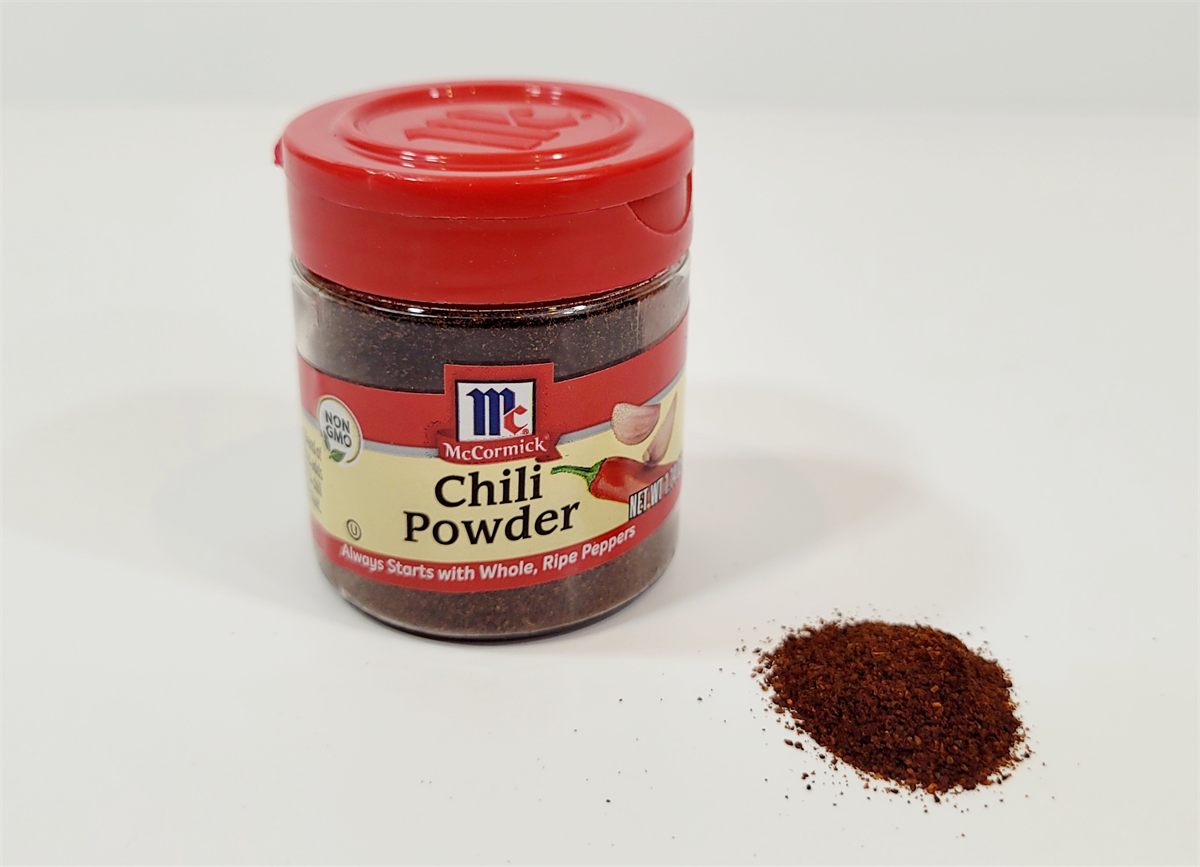
Growing Chilli Hydroponically
Chilli is native to Latin America, particularly Mexico. Then came the age of exploration, and many cultivars of chilli spread across the globe. Now, chilli is a popular cooking ingredient to add…
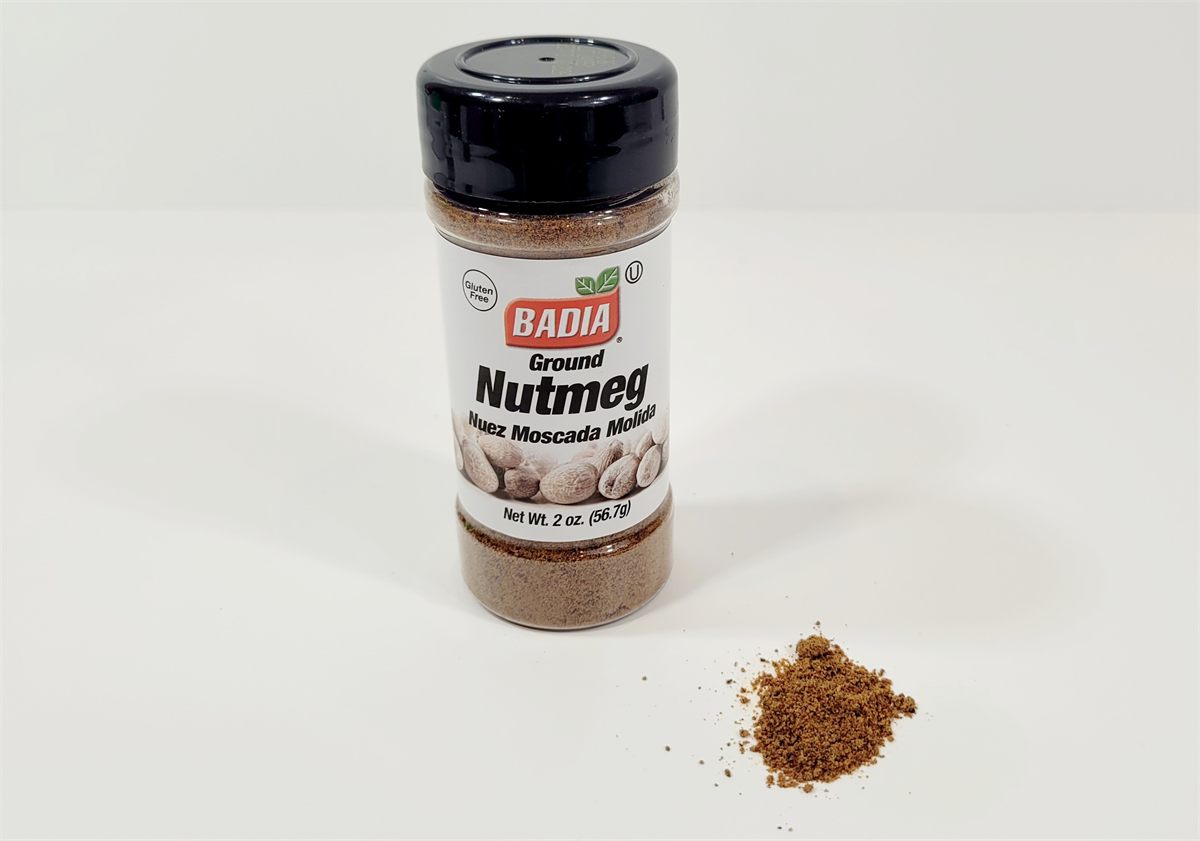
Growing Nutmeg Hydroponically
Nutmeg’s walnut-like appearance is often deceiving. Unlike the dry fruit counterpart, nutmeg is a seed whose fruit is also a source of a couple more spices. Here’s a brief overview of nutmeg’s…
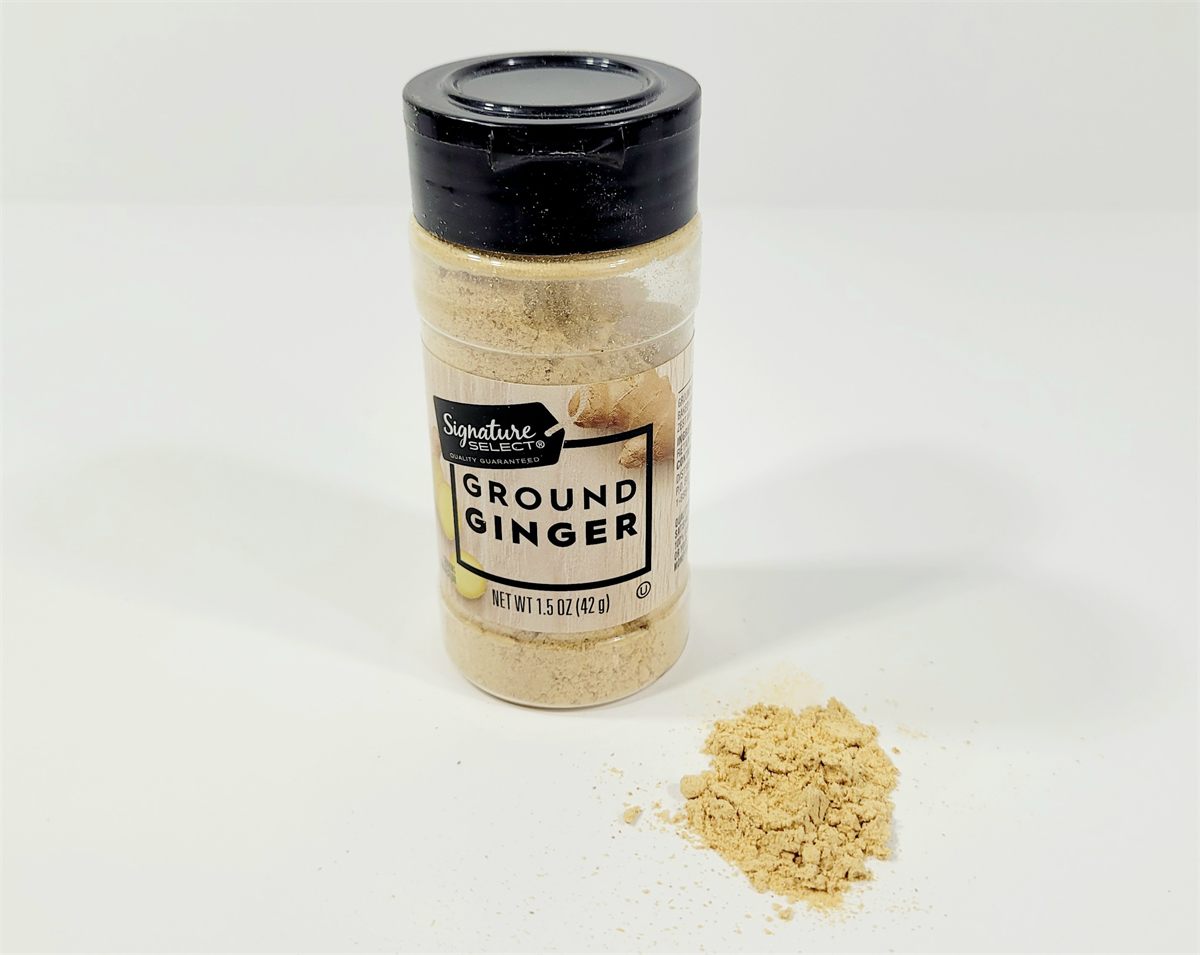
Growing Ginger Hydroponically
Ginger is much more than a culinary spice. For ages, its underground rhizome has been an integral part of eastern medicine. An overview of this folk remedy and one of the whole…